This week has consisted of more research into destinations and trail groups. I've located some excellent websites that detail various groups throughout the US, which will probably prove to be helpful with initial contacts.
Having started promoting the project on a small scale, I realized that pre-printed cards would be a simple way to let people I talk to know where to find this site on the web. Of course, I knew I was going to need many, many cards. Keeping the dirtbag ethos in mind, I recalled seeing offers for free cards online. And so, I began the search.
Locating a source that provides as many cards as you can promise to give out, delivered 4 times per year, seemed like the best opportunity. The catch(isn't there always a catch?) is that you must accept advertising on the card.
The good news is that you can put some restrictions on types of ads. For instance, the Trailwork Tour cards will not have ads for off-road vehicles. I'm awaiting delivery on the cards.
More fine tuning to the blogsite was done, and I added the Becoming a Sponsor page, which details the various levels of sponsorship.
A list of potential product sponsors has been created, and a letter of introduction has been completed to the first draft. This week I will edit and finalize the letter, and begin contacting potential sponsors.
Follow the Teddy and Trailwork Tour!


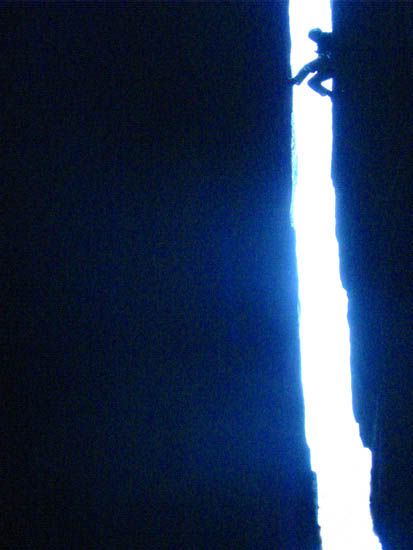
View of the Shawangunk Ridge from the Mohonk Preserve in Gardiner, NY
Monday, July 28, 2008


Monday, July 21, 2008
Planning Update - Monday, July 21, 2008
While we are in the pre-launch timeframe, we'd like to fill you in on the things we are doing to get this show on the road.
So far, much of our tangible efforts have been in creating the basis of this hybrid blog/website, brainstorming on the various facets of the project, and research into destinations and the trail crews that volunteer in their maintenance.
It's important to get a foundation on the blog in place, as we'll soon be contacting potential sponsors - for travel support, gear and other items. As well, we will be alerting the media at opportune moments, and want to have a clear picture of where things are at. The blog foundation will continue to elvolve in the next month or so, as we edit and adapt to suit the needs of the Trailwork Tour, and so each day a little tinkering is done here and there. Once we are actually on the road, much of the Overview information will be removed from the front page, and replaced with frequent blog posts giving up to date accounts of our activities.
We've contacted the Access Fund as a first step in outreach. Their Grassroots Director has been kind enough to point us to various resources within the organization that will help us in coordinating the tour. Specifically:
- A calendar of Adopt-A-Crag-Events for 2008, which we can use reference for the following years, as most crags hold the events annually.
- Local climbing organizations and access fund affiliated local climbing organizations, which will be helpful to us in researching destinations and contacts
- Regional coordinators who can further lend a hand in directing us to the people who are in the trenches, doing trailwork regularly at various crags around the country.
Our database of destinations and trail crew contacts is beginning to take form. This is a very large project, with logistics to melt the minds of the most solid datamaster! Daunting would be a term of underestimation. But little by little, we'll create that base.
T-shirts and other commemorative items have been designed and added to our online storefront. You can find them here. Yesterday, a test sample was received, to make sure the design looks as intended. We are very pleased! Kudos to CafePress for providing consistent quality work and an outstanding customer satisfaction policy.
Well - that should give an idea as to where we are as of today. Check in again soon to see what we're up to!
So far, much of our tangible efforts have been in creating the basis of this hybrid blog/website, brainstorming on the various facets of the project, and research into destinations and the trail crews that volunteer in their maintenance.
It's important to get a foundation on the blog in place, as we'll soon be contacting potential sponsors - for travel support, gear and other items. As well, we will be alerting the media at opportune moments, and want to have a clear picture of where things are at. The blog foundation will continue to elvolve in the next month or so, as we edit and adapt to suit the needs of the Trailwork Tour, and so each day a little tinkering is done here and there. Once we are actually on the road, much of the Overview information will be removed from the front page, and replaced with frequent blog posts giving up to date accounts of our activities.
We've contacted the Access Fund as a first step in outreach. Their Grassroots Director has been kind enough to point us to various resources within the organization that will help us in coordinating the tour. Specifically:
- A calendar of Adopt-A-Crag-Events for 2008, which we can use reference for the following years, as most crags hold the events annually.
- Local climbing organizations and access fund affiliated local climbing organizations, which will be helpful to us in researching destinations and contacts
- Regional coordinators who can further lend a hand in directing us to the people who are in the trenches, doing trailwork regularly at various crags around the country.
Our database of destinations and trail crew contacts is beginning to take form. This is a very large project, with logistics to melt the minds of the most solid datamaster! Daunting would be a term of underestimation. But little by little, we'll create that base.
T-shirts and other commemorative items have been designed and added to our online storefront. You can find them here. Yesterday, a test sample was received, to make sure the design looks as intended. We are very pleased! Kudos to CafePress for providing consistent quality work and an outstanding customer satisfaction policy.
Well - that should give an idea as to where we are as of today. Check in again soon to see what we're up to!
Monday, July 14, 2008
How Did I Get Here?
When I began rock climbing in 2004, it was as if I had found something I'd been searching for my entire life. The level of consciousness necessary to unlock the vertical puzzles I encountered on each route was intense. As I succeeded, whether it was in making a single transitional move or climbing the line cleanly with no falls, my self-esteem level rose and I became more confident in my abilities and in feeling my place in the world.
Soon enough, I was meeting others who share my passion, and visiting climbing destinations around the United States. On one of those early trips, my partner and I thrashed our way through terrain on a steep mountainside- bushwacking, as it is called when there is no established path. I was pretty nervous, as I had never even really been on a mountain before, much less one that appeared, to my untrained eyes, to have never seen foot traffic before.
My friend told me we actually "were" on a trail, and showed me the vaguest of clues to support his statement. I had to take his word for it, but a few days later we went back along the route and he explained some basic techniques in what as known as "trailbuilding."
As I helped push the leaves and twigs that carpeted the wooded floor downslope, I was amazed at how simply a path had become clear. Further, we added fallen branches along the lower edge, which would allow for a buildup of support to the slope as the leaf litter recycled itself in nature's perpetual transition. Our path meandered down the steep mountainside, switchbacking side to side, until it ended at an exposed cliff edge.
It was no dead end, however, for there was an ancient old tree, from which we would rappel a hundred or more feet to the valley below. The tree was equipped with a "rap station," a group of several wide nylon webbings, slung around the tree a few feet up from the roots, where it had split off at a young age to create three distinct trunks. The webbing ran through heavy steel rings, which we would in turn thread our rope. Attaching ourselves with devices for the purpose, we would slowly slide down the rope to reach the bottom of the cliff we were there to climb.
He explained to me how the area was one that was being "developed," a term rock climbers use for crags where they are making the first ascents of climbs on the rock walls. Soon, more people would be walking through the woods as we had, as they learned the area had some interesting routes to try. By creating one path, designed to reduce erosion on the hillside, we would be assisting visitors in finding their way, but much more importantly, we'd be helping the natural environment to withstand the impact of our presence.
This made sense, of course, but with that moment came an awareness; a realization that all the trails I'd ever followed, in all my years, had been designed, created and cared for by people, just as the two of us were doing at that moment. Whether it had been a hiking path up a hill in the Adirondacks that would accommodate school groups, or a newly blazed single-file trail like the one I was helping create down in Georgia, I sensed a connection to everyone who had ever traveled that way before, and all those who would come through in the future.
The reality was, that it was hard work, too. Hauling heavy branches, moving big rocks, digging trenches to set those rocks into as a reinforcement to the slope. All this effort served to focus my energy, and with that focus came yet another awareness - my connection to the land. Not only the earth, but other living things that shared it with me; insects, plants and animals.
Though I only worked for parts of two or three days on that initial project, my world was forever changed, and as I hiked along the ridge or cliffbase back home in the Shawangunks, I began to take notice of the similarities and differences between these trails and the one I described above. I wondered who had been responsible for their creation, and one day - I got an answer.
I was out for a day of climbing in the Near Trapps and saw two men approaching on the trail. They had one tool that I recognized, and others that confused me. But I knew their purpose - to work on the trail! As the men came by us, I said "Off for some trailwork, eh?" To which, of course, they replied in the affirmative. They said they were going to repair an are of the trail a little ways down, and that by the time we finished our climb they might be done. "Come down and try it out!" one of the men invited.
After our climb, we did head that way, and came upon them just as they were finishing up their small project. I was invited, again, to take the first step on this new section, and as I did, the man said "You're the first person to use that step; how does it feel to you?"
I said it was very nice and mentioned that I was actually interested in trailwork, and wondered how I might get involved. "Who would I contact?" I asked. The man said "Well - that would be me, actually."
He wrote his email address on a slip of paper, folded it into a neat square and handed it to me. "Send me an email, and I'll add your name to our list. We usually work on Sundays and I'll send you a notice for our next day of work." With that, I thanked him and placed the paper in a zip pocket of my backpack for safe keeping.
After a good day of climbing, my partner and I headed into New Paltz for a delicious dinner at Bacchus, which is a local climber's hangout. We noticed a group of other climbers with whom I was familiar and they invited us to join them. As conversation drifted in and out with stories of our day's adventures, my turn came and I mentioned the story of the trail work men, and how I had asked to join the crew.
When I relayed the bit about the guy saying he was the crew leader, my friend exclaimed "YOU met Dick Williams!?"
I was a newish climber, but not THAT new. I was well aware that Mr. Williams was a well-known climber who had done many first ascents in the area, and that he was also the author of the guidebook in my pack. What I hadn't known was that it was he I had been speaking with earlier that day, and I was actually very glad. I would have been giddy with excitement and unsure of what to say, and I know darned well I would have fawned over him and made a stupid comment about - if you are a climber, you know what - that famous photo on Shockley's Ceiling, where Williams is climbing in the buff and the only "coverage" is a strategically lifted leg and a sling of pitons and carabiners. Luckily, I was spared that embarrassment!
Still, I wasn't sure of whom I had met, since I hadn't looked at the email address before stowing it. I'd moved it to my personal wallet before coming into town, so I would have it handy at home when I next used the computer, and so I pulled it out and took a look. Sure enough, it had been he, and for a very short moment, I was the star of the table in Bacchus that night.
And so it came to be, that my name was added to the trail crew mailing list. A few weeks later, I was able to make myself available to join in and anxiously awaited the day, wondering what to expect.
Imagine my surprise to discover..... I was the only female in the group. And not only that, I was amongst some very able-bodied guys who knew how to dig in and do hard work. I felt very awkward at first, and foolish. Not only was I unable to lift the hundred-plus pound stones these guys were maneuvering, but I didn't have work gloves and my shoes were...flip flops. Not only that, I had absolutely no idea as to how to make myself useful. I was, I felt, going to be in the way.
And.... I was.
At least, at first. I simply couldn't do the work some of these guys were doing, and didn't know what else to do. I shifted my position, on the ready to grab a big rock if need be, but of course I wasn't needed.
Finally, a row of rocks had been planted along the sloping ridge, to hold the path in place. I saw the gaping spaces that needed filling on, and began to grab handfuls of dirt to do it.
The others kept moving along the trail, maneuvering boulders into place with a grip hoist and rock bars(mechanical tools used to move rocks to large to do so with one's body alone). I continued on my little project, filling in the gaps afterward.
At one point, a rock was being difficult and I heard one of the men call "Where's that bar?" In a flash, I was up and at it, grabbing the rock bar and bringing it over.
I had found my place in the system!
As I became familiar with the work to be done, I realized that often the tools were left along the work zone after being used, and began to anticipate when they'd be needed again. Soon, nobody had to wonder where a tool was - I would hand it to them as they were about to say they needed it.
My "finishing work" - filling in after the rock reinforcements were placed - became known as the "beautification committee," and though at first I thought I was just doing make-do work, I did come to understand that this bit of work was actually needed and part of completing the project.
I took pride in being able to facilitate the other, stronger, people on the crew, even if my efforts were substantially less strenuous. And then...one day.... we were short volunteers. There was heavy work to be done, and someone had to do it. I stepped up to plate and...did the best I could.
While I will never be able to budge a two-hundred pound boulder, nor crank half a day on a grip hoist under full load, I did begin to take on those aspects of the work, and found great pleasure in the hard, manual labor. Especially at day's end, when reviewing our progress from the start. And even more so days and weeks later, when I traveled the finished sections, knowing that my efforts had helped in this conservation work.
I began to show up each Sunday, and I looked forward to it. As volunteers came and went, I found that often I was one of the people who actually knew what needed being done, and often helped new recruits learn the systems. In 2006, my first full season of heavy involvement, I cajoled partners and others into volunteering and brought five people on board to help throughout the season.
People would ask me to climb on Sundays and I had to turn them down, as I was committed to trailwork. At first, my friends didn't understand, and wondered what harm it would do to miss "just this one day." After all...they needed a partner, and I can assure you that, if I was the one they were trying to convince...that they really needed a partner. I may be a diligent belayer, but I am no hard woman. There are plenty of others who climb much higher grades than I do.
Soon, I began to meet other climbers - the ones that were "of note" in the area. They'd stop to talk with Dick, and we'd all get in on the conversations. I heard wild stories from back in the day, interesting adventures they'd just returned from from, and of plans they were about to pursue. Among my younger, less experienced, group of climbers - I knew stuff that I wouldn't have otherwise. Walking down the carriage road, these well-known climbers would acknowledge me, and afterward my partner would ask, increduously, "Do you know who that was?"
As my commitment to trailwork grew, I found, much to my surprise, that I had moved to New Paltz. This came as big news to me, since I was fairly certain that I still lived in New York City. But after the fifth or sixth person made some comment about my being a local, I asked for clarification. What I found was that people were saying the reason I was able to do trailwork each Sunday must be that I had moved to the area and was climbing during the week. What other explanation could there be for someone to give up a whole day of climbing?
Each week we would work hard, moving boulders in sizes ranging from picnic coolers to mini fridges, using griphoists, rock bars and sometimes brute force. Other ways we work to improve the access trails are to remove "ankle-breaker" stones that rise from the ground at cliff base when they are below routes known for difficult starts, widen sections to allow a litter to be passed in event of a rescue, and rearrange and stabilize boulders on marked trails through talus fields. One day we hauled a 30 to 40 foot long, 3 foot wide, tree trunk up the talus slope to use as a retaining barrier. It took a team of six people more than five hours of solid effort, but every time I pass by the Snooky's Revenge climb, I am reminded of the teamwork involved, and the fact that this tree will not only slow erosion on the slope but provide a perfect place for people to sit and slip into their climbing boots, ready to climb another day.
This is work that helps the cliffside environment to withstand the impact our presence causes. With no precautions, the exposed roots on old trees and fragile bushes would be trampled as people pass by, lessening their lifespan. Their root systems play an important part in conserving the slope, and of course, the roots are life support for the trees in the first place. Those trees provide not only homes for birds, bugs and other animals native to the area, but shade for delicate plants below that could not live without the protection. Not only that - we people appreciate the shade too! But back to nature, the habitat is an interdependent system, and when one part suffers, it affects the whole.
Working together towards this goal of sustaining the land, we develop relations within out own habitat as well. People pass by and stop to chat, and soon we know another member of our community. We'll see them elsewhere, maybe on the cliffs, maybe in town or even across the country. I've run into more than a few people in Joshua Tree who remember me from having passed by while I was doing trailwork, and the opposite is true, too. I'll be working along the cliffside and someone stops, surprised - we had camped next to each other near a crag a thousand miles away the year previous. It's a small world, after all.
Soon enough, I was meeting others who share my passion, and visiting climbing destinations around the United States. On one of those early trips, my partner and I thrashed our way through terrain on a steep mountainside- bushwacking, as it is called when there is no established path. I was pretty nervous, as I had never even really been on a mountain before, much less one that appeared, to my untrained eyes, to have never seen foot traffic before.
My friend told me we actually "were" on a trail, and showed me the vaguest of clues to support his statement. I had to take his word for it, but a few days later we went back along the route and he explained some basic techniques in what as known as "trailbuilding."
As I helped push the leaves and twigs that carpeted the wooded floor downslope, I was amazed at how simply a path had become clear. Further, we added fallen branches along the lower edge, which would allow for a buildup of support to the slope as the leaf litter recycled itself in nature's perpetual transition. Our path meandered down the steep mountainside, switchbacking side to side, until it ended at an exposed cliff edge.
It was no dead end, however, for there was an ancient old tree, from which we would rappel a hundred or more feet to the valley below. The tree was equipped with a "rap station," a group of several wide nylon webbings, slung around the tree a few feet up from the roots, where it had split off at a young age to create three distinct trunks. The webbing ran through heavy steel rings, which we would in turn thread our rope. Attaching ourselves with devices for the purpose, we would slowly slide down the rope to reach the bottom of the cliff we were there to climb.
He explained to me how the area was one that was being "developed," a term rock climbers use for crags where they are making the first ascents of climbs on the rock walls. Soon, more people would be walking through the woods as we had, as they learned the area had some interesting routes to try. By creating one path, designed to reduce erosion on the hillside, we would be assisting visitors in finding their way, but much more importantly, we'd be helping the natural environment to withstand the impact of our presence.
This made sense, of course, but with that moment came an awareness; a realization that all the trails I'd ever followed, in all my years, had been designed, created and cared for by people, just as the two of us were doing at that moment. Whether it had been a hiking path up a hill in the Adirondacks that would accommodate school groups, or a newly blazed single-file trail like the one I was helping create down in Georgia, I sensed a connection to everyone who had ever traveled that way before, and all those who would come through in the future.
The reality was, that it was hard work, too. Hauling heavy branches, moving big rocks, digging trenches to set those rocks into as a reinforcement to the slope. All this effort served to focus my energy, and with that focus came yet another awareness - my connection to the land. Not only the earth, but other living things that shared it with me; insects, plants and animals.
Though I only worked for parts of two or three days on that initial project, my world was forever changed, and as I hiked along the ridge or cliffbase back home in the Shawangunks, I began to take notice of the similarities and differences between these trails and the one I described above. I wondered who had been responsible for their creation, and one day - I got an answer.
I was out for a day of climbing in the Near Trapps and saw two men approaching on the trail. They had one tool that I recognized, and others that confused me. But I knew their purpose - to work on the trail! As the men came by us, I said "Off for some trailwork, eh?" To which, of course, they replied in the affirmative. They said they were going to repair an are of the trail a little ways down, and that by the time we finished our climb they might be done. "Come down and try it out!" one of the men invited.
After our climb, we did head that way, and came upon them just as they were finishing up their small project. I was invited, again, to take the first step on this new section, and as I did, the man said "You're the first person to use that step; how does it feel to you?"
I said it was very nice and mentioned that I was actually interested in trailwork, and wondered how I might get involved. "Who would I contact?" I asked. The man said "Well - that would be me, actually."
He wrote his email address on a slip of paper, folded it into a neat square and handed it to me. "Send me an email, and I'll add your name to our list. We usually work on Sundays and I'll send you a notice for our next day of work." With that, I thanked him and placed the paper in a zip pocket of my backpack for safe keeping.
After a good day of climbing, my partner and I headed into New Paltz for a delicious dinner at Bacchus, which is a local climber's hangout. We noticed a group of other climbers with whom I was familiar and they invited us to join them. As conversation drifted in and out with stories of our day's adventures, my turn came and I mentioned the story of the trail work men, and how I had asked to join the crew.
When I relayed the bit about the guy saying he was the crew leader, my friend exclaimed "YOU met Dick Williams!?"
I was a newish climber, but not THAT new. I was well aware that Mr. Williams was a well-known climber who had done many first ascents in the area, and that he was also the author of the guidebook in my pack. What I hadn't known was that it was he I had been speaking with earlier that day, and I was actually very glad. I would have been giddy with excitement and unsure of what to say, and I know darned well I would have fawned over him and made a stupid comment about - if you are a climber, you know what - that famous photo on Shockley's Ceiling, where Williams is climbing in the buff and the only "coverage" is a strategically lifted leg and a sling of pitons and carabiners. Luckily, I was spared that embarrassment!
Still, I wasn't sure of whom I had met, since I hadn't looked at the email address before stowing it. I'd moved it to my personal wallet before coming into town, so I would have it handy at home when I next used the computer, and so I pulled it out and took a look. Sure enough, it had been he, and for a very short moment, I was the star of the table in Bacchus that night.
And so it came to be, that my name was added to the trail crew mailing list. A few weeks later, I was able to make myself available to join in and anxiously awaited the day, wondering what to expect.
Imagine my surprise to discover..... I was the only female in the group. And not only that, I was amongst some very able-bodied guys who knew how to dig in and do hard work. I felt very awkward at first, and foolish. Not only was I unable to lift the hundred-plus pound stones these guys were maneuvering, but I didn't have work gloves and my shoes were...flip flops. Not only that, I had absolutely no idea as to how to make myself useful. I was, I felt, going to be in the way.
And.... I was.
At least, at first. I simply couldn't do the work some of these guys were doing, and didn't know what else to do. I shifted my position, on the ready to grab a big rock if need be, but of course I wasn't needed.
Finally, a row of rocks had been planted along the sloping ridge, to hold the path in place. I saw the gaping spaces that needed filling on, and began to grab handfuls of dirt to do it.
The others kept moving along the trail, maneuvering boulders into place with a grip hoist and rock bars(mechanical tools used to move rocks to large to do so with one's body alone). I continued on my little project, filling in the gaps afterward.
At one point, a rock was being difficult and I heard one of the men call "Where's that bar?" In a flash, I was up and at it, grabbing the rock bar and bringing it over.
I had found my place in the system!
As I became familiar with the work to be done, I realized that often the tools were left along the work zone after being used, and began to anticipate when they'd be needed again. Soon, nobody had to wonder where a tool was - I would hand it to them as they were about to say they needed it.
My "finishing work" - filling in after the rock reinforcements were placed - became known as the "beautification committee," and though at first I thought I was just doing make-do work, I did come to understand that this bit of work was actually needed and part of completing the project.
I took pride in being able to facilitate the other, stronger, people on the crew, even if my efforts were substantially less strenuous. And then...one day.... we were short volunteers. There was heavy work to be done, and someone had to do it. I stepped up to plate and...did the best I could.
While I will never be able to budge a two-hundred pound boulder, nor crank half a day on a grip hoist under full load, I did begin to take on those aspects of the work, and found great pleasure in the hard, manual labor. Especially at day's end, when reviewing our progress from the start. And even more so days and weeks later, when I traveled the finished sections, knowing that my efforts had helped in this conservation work.
I began to show up each Sunday, and I looked forward to it. As volunteers came and went, I found that often I was one of the people who actually knew what needed being done, and often helped new recruits learn the systems. In 2006, my first full season of heavy involvement, I cajoled partners and others into volunteering and brought five people on board to help throughout the season.
People would ask me to climb on Sundays and I had to turn them down, as I was committed to trailwork. At first, my friends didn't understand, and wondered what harm it would do to miss "just this one day." After all...they needed a partner, and I can assure you that, if I was the one they were trying to convince...that they really needed a partner. I may be a diligent belayer, but I am no hard woman. There are plenty of others who climb much higher grades than I do.
Soon, I began to meet other climbers - the ones that were "of note" in the area. They'd stop to talk with Dick, and we'd all get in on the conversations. I heard wild stories from back in the day, interesting adventures they'd just returned from from, and of plans they were about to pursue. Among my younger, less experienced, group of climbers - I knew stuff that I wouldn't have otherwise. Walking down the carriage road, these well-known climbers would acknowledge me, and afterward my partner would ask, increduously, "Do you know who that was?"
As my commitment to trailwork grew, I found, much to my surprise, that I had moved to New Paltz. This came as big news to me, since I was fairly certain that I still lived in New York City. But after the fifth or sixth person made some comment about my being a local, I asked for clarification. What I found was that people were saying the reason I was able to do trailwork each Sunday must be that I had moved to the area and was climbing during the week. What other explanation could there be for someone to give up a whole day of climbing?
Each week we would work hard, moving boulders in sizes ranging from picnic coolers to mini fridges, using griphoists, rock bars and sometimes brute force. Other ways we work to improve the access trails are to remove "ankle-breaker" stones that rise from the ground at cliff base when they are below routes known for difficult starts, widen sections to allow a litter to be passed in event of a rescue, and rearrange and stabilize boulders on marked trails through talus fields. One day we hauled a 30 to 40 foot long, 3 foot wide, tree trunk up the talus slope to use as a retaining barrier. It took a team of six people more than five hours of solid effort, but every time I pass by the Snooky's Revenge climb, I am reminded of the teamwork involved, and the fact that this tree will not only slow erosion on the slope but provide a perfect place for people to sit and slip into their climbing boots, ready to climb another day.
This is work that helps the cliffside environment to withstand the impact our presence causes. With no precautions, the exposed roots on old trees and fragile bushes would be trampled as people pass by, lessening their lifespan. Their root systems play an important part in conserving the slope, and of course, the roots are life support for the trees in the first place. Those trees provide not only homes for birds, bugs and other animals native to the area, but shade for delicate plants below that could not live without the protection. Not only that - we people appreciate the shade too! But back to nature, the habitat is an interdependent system, and when one part suffers, it affects the whole.
Working together towards this goal of sustaining the land, we develop relations within out own habitat as well. People pass by and stop to chat, and soon we know another member of our community. We'll see them elsewhere, maybe on the cliffs, maybe in town or even across the country. I've run into more than a few people in Joshua Tree who remember me from having passed by while I was doing trailwork, and the opposite is true, too. I'll be working along the cliffside and someone stops, surprised - we had camped next to each other near a crag a thousand miles away the year previous. It's a small world, after all.
Wednesday, July 9, 2008
Destination/Date Schedule
The plan is to spend about three weeks in an area before heading of for a new destination. Give or take a day or many, weather permitting, subject to change on a whim, etc., etc.....
You can't rush things when you're on the road; this project isn't intended to be a 30 Cities in 30 Days whirlwind extravaganza, but an opportunity to see America as was intended back in the baby boom days. Except we're intent on staying off the superhighways as much as possible. After all - we want to SEE where we are.
Still, a rough map has been charted, and here is the course we're looking at:
NOTE: Locations and dates are still in the planning stages as of July 1st, 2008. Our intent is to be in the southwest(California, Arizona, Nevada, New Mexico, etc. for the first few months of the tour(January through March). Then we will head north, still in the western United States.
As temperatures warm, we proceed further north and begin traveling eastward. We'll make our way to the Northeast for summer and early fall, heading southward to extend the season. Southeastern climbing as winter approaches and then a mad dash along the southern midwest states to warmer climes out west.
For 2010, a similar route will be repeated, with a view toward destinations that vary from the first round. However, we are reviewing an alternative plan which entails focusing on the western portion of the country for 2009, and the eastern part in 2010. In that scenario, we would weave north and south as weather dictates. This may prove a better option, as it will concentrate travel, reducing mileage in the long run.
Expect to see our planned itinerary posted by September 1st!
Pre-Tour Launch
December 1 - 31, 2008 - Joshua Tree, CA
2009 DATES/LOCATIONS
Week 1 - 3
January 1 - 21 -
Week 4 - 6
January 22 - February 11 -
Week 5 - 7
February 12 - March 4 -
Week 8 - 10
March 5 - 25 -
Week 11 - 13
March 26 - April 15 -
Week 14 -16
April 16 - May 6 -
Week 17 - 19
May 7 - 27 -
Week 20 - 22
May 28 - June 17 -
Week 23 - 25
June 18 - July 8 -
Week 26 - 28
July 9 - 29 -
Week 29 - 31
July 30 - August 19 -
Week 32 - 34
August 20 - September 9 -
Week 35 - 37
September 10 - 30 -
Week 38 - 40
October 1 - 21 -
Week 41 - 43
October 22 - November 11 -
Week 44 - 46
November 12 - December 2 -
Week 47 - 49
December 3 - 23 -
Week 50 - 52
December 24 - 31 - We'll just leave this blank, since it's likely things will not be as scheduled had we filled in the location....
2010 DATES/LOCATIONS
Week 1 - 3
January 1 - 21 -
Week 4 - 6
January 22 - February 11 -
Week 5 - 7
February 12 - March 4 -
Week 8 - 10
March 5 - 25 -
Week 11 - 13
March 26 - April 15 -
Week 14 -16
April 16 - May 6 -
Week 17 - 19
May 7 - 27 -
Week 20 - 22
May 28 - June 17 -
Week 23 - 25
June 18 - July 8 -
Week 26 - 28
July 9 - 29 -
Week 29 - 31
July 30 - August 19 -
Week 32 - 34
August 20 - September 9 -
Week 35 - 37
September 10 - 30 -
Week 38 - 40
October 1 - 21 -
Week 41 - 43
October 22 - November 11 -
Week 44 - 46
November 12 - December 2 -
Week 47 - 49
December 3 - 23 -
Week 50 - 52
December 24 - 31 - We'll be somewhere....I just can't say exactly where that will be.....
And that, ladies and gentlemen, concludes the most basic of logistics for the project. It's easy enough to make plans, but when doing so it's a good idea to remember - "Life is what happens to you when you're busy making other plans." Live it up!
You can't rush things when you're on the road; this project isn't intended to be a 30 Cities in 30 Days whirlwind extravaganza, but an opportunity to see America as was intended back in the baby boom days. Except we're intent on staying off the superhighways as much as possible. After all - we want to SEE where we are.
Still, a rough map has been charted, and here is the course we're looking at:
NOTE: Locations and dates are still in the planning stages as of July 1st, 2008. Our intent is to be in the southwest(California, Arizona, Nevada, New Mexico, etc. for the first few months of the tour(January through March). Then we will head north, still in the western United States.
As temperatures warm, we proceed further north and begin traveling eastward. We'll make our way to the Northeast for summer and early fall, heading southward to extend the season. Southeastern climbing as winter approaches and then a mad dash along the southern midwest states to warmer climes out west.
For 2010, a similar route will be repeated, with a view toward destinations that vary from the first round. However, we are reviewing an alternative plan which entails focusing on the western portion of the country for 2009, and the eastern part in 2010. In that scenario, we would weave north and south as weather dictates. This may prove a better option, as it will concentrate travel, reducing mileage in the long run.
Expect to see our planned itinerary posted by September 1st!
Pre-Tour Launch
December 1 - 31, 2008 - Joshua Tree, CA
2009 DATES/LOCATIONS
Week 1 - 3
January 1 - 21 -
Week 4 - 6
January 22 - February 11 -
Week 5 - 7
February 12 - March 4 -
Week 8 - 10
March 5 - 25 -
Week 11 - 13
March 26 - April 15 -
Week 14 -16
April 16 - May 6 -
Week 17 - 19
May 7 - 27 -
Week 20 - 22
May 28 - June 17 -
Week 23 - 25
June 18 - July 8 -
Week 26 - 28
July 9 - 29 -
Week 29 - 31
July 30 - August 19 -
Week 32 - 34
August 20 - September 9 -
Week 35 - 37
September 10 - 30 -
Week 38 - 40
October 1 - 21 -
Week 41 - 43
October 22 - November 11 -
Week 44 - 46
November 12 - December 2 -
Week 47 - 49
December 3 - 23 -
Week 50 - 52
December 24 - 31 - We'll just leave this blank, since it's likely things will not be as scheduled had we filled in the location....
2010 DATES/LOCATIONS
Week 1 - 3
January 1 - 21 -
Week 4 - 6
January 22 - February 11 -
Week 5 - 7
February 12 - March 4 -
Week 8 - 10
March 5 - 25 -
Week 11 - 13
March 26 - April 15 -
Week 14 -16
April 16 - May 6 -
Week 17 - 19
May 7 - 27 -
Week 20 - 22
May 28 - June 17 -
Week 23 - 25
June 18 - July 8 -
Week 26 - 28
July 9 - 29 -
Week 29 - 31
July 30 - August 19 -
Week 32 - 34
August 20 - September 9 -
Week 35 - 37
September 10 - 30 -
Week 38 - 40
October 1 - 21 -
Week 41 - 43
October 22 - November 11 -
Week 44 - 46
November 12 - December 2 -
Week 47 - 49
December 3 - 23 -
Week 50 - 52
December 24 - 31 - We'll be somewhere....I just can't say exactly where that will be.....
And that, ladies and gentlemen, concludes the most basic of logistics for the project. It's easy enough to make plans, but when doing so it's a good idea to remember - "Life is what happens to you when you're busy making other plans." Live it up!
Friday, July 4, 2008
Planned Locations by Date
We're still in the early planning stages on our itinerary and will post a detailed schedule as soon as possible, but there is much work to be done before that. Presently, we are gathering information on climbing areas and researching contacts for local people who are running climbing access and hiking trailwork crews in these destinations.
We'll kick things off with a pre-tour stay in Joshua Tree National Park and the surrounding area, in December, 2008. The trailwork Tour will follow the seasons, from south to north and back again in the western United States before moving to the eastern section of the country and repeating the process.
Beginning in January, 2009, we'll travel through southern California, Arizona, and New Mexico. Next we move northward, to Nevada and Utah. As temperatures warm, we'll move further north, through Colorado, Wyoming and North Dakota. Moving westward, we'll be in Montana, Idaho, Washington and Oregon, making our way southward to chase the season as climate changes.
We'll be back in southern California as autumn turns to winter, visiting new destinations and preparing for the second leg of our tour as 2010 draws near.
Next we head east, through the southern United States - again in Arizona and New Mexico, onward into Texas. The legendary southeast beckons, as we travel to crags in Georgia, South Carolina and Tennessee. We'll be in Kentucky before moving east to West Virginia and then make our way to Terrie's home crag, The Gunks. Just a short visit, though, as we move further north for summer, to northern New York and onward. New Hampshire and Maine are summer destinations, and then it's back down as we follow the autumn foliage.
Southward we'll go, to North Carolina, back through Tennessee and Kentucky, and westward where we'll make stops along the way before wrapping up the tour in Joshua Tree.
Expect to see our planned itinerary posted by September 1st!
We'll kick things off with a pre-tour stay in Joshua Tree National Park and the surrounding area, in December, 2008. The trailwork Tour will follow the seasons, from south to north and back again in the western United States before moving to the eastern section of the country and repeating the process.
Beginning in January, 2009, we'll travel through southern California, Arizona, and New Mexico. Next we move northward, to Nevada and Utah. As temperatures warm, we'll move further north, through Colorado, Wyoming and North Dakota. Moving westward, we'll be in Montana, Idaho, Washington and Oregon, making our way southward to chase the season as climate changes.
We'll be back in southern California as autumn turns to winter, visiting new destinations and preparing for the second leg of our tour as 2010 draws near.
Next we head east, through the southern United States - again in Arizona and New Mexico, onward into Texas. The legendary southeast beckons, as we travel to crags in Georgia, South Carolina and Tennessee. We'll be in Kentucky before moving east to West Virginia and then make our way to Terrie's home crag, The Gunks. Just a short visit, though, as we move further north for summer, to northern New York and onward. New Hampshire and Maine are summer destinations, and then it's back down as we follow the autumn foliage.
Southward we'll go, to North Carolina, back through Tennessee and Kentucky, and westward where we'll make stops along the way before wrapping up the tour in Joshua Tree.
Expect to see our planned itinerary posted by September 1st!
Tuesday, July 1, 2008
Product Sponsors
Visit soon, for a list of companies providing gear in support of the Teddy and Terrie Trailwork Tour. If your company is interested in providing product, please email directly to Terrie at trailworktour@gmail.com.
 Climbaddict has provided graphic design for the Trailwork Tour logo, and space in their online store for marketing of commemorative products.
 Climbaddict has provided graphic design for the Trailwork Tour logo, and space in their online store for marketing of commemorative products.
Media Sponsors
We can provide press releases and photos, and are available for interview.
Attention bloggers - Publish a post about the Teddy and Terrie Trailwork Tour on your blog, and we'll include a link to your site on this page. Please contact us at trailworktour@gmail.com for details prior to publishing your post.
Contact Terrie directly by email at trailworktour@gmail.com.
Attention bloggers - Publish a post about the Teddy and Terrie Trailwork Tour on your blog, and we'll include a link to your site on this page. Please contact us at trailworktour@gmail.com for details prior to publishing your post.
Contact Terrie directly by email at trailworktour@gmail.com.
Personal Donations
This means YOU!
It's not going to be possible to maintain an up to date list of each and every donation as they come in, but the fact is that we fully understand that these small, personal gifts will be the bread and butter that sustains us. For that, I wish to extend my deepest gratitude from the start. Without your help, this trip would be impossible.
However, we think we have come up with a unique solution to the problem, and that is what this page is for! If you have been so kind as to support the Teddy and Terrie Trailwork Tour in any way, I hope you'll take a moment to click on the little "Comments" icon below, and give yourself a round of applause.
Whether you've purchased an item from the Trailwork Tour section of our ClimbAddict shop at CafePress.com, clicked through to our PayPal Donations account(Not Yet Available, ETA 8/01/08) and donated funds, or handed me a handout as our paths have crossed on the road, please take a moment to let us know!
You can be as modest as you like, and remain anonymous, or give as much detail as you want to. If you have a personal or small business website, feel free to mention the link and invite others over for a look.
Second to last, but not least in any way - Good wishes and kind words are so important. Perhaps you're not in a position, or of the inclination, to drop a dollar in the hat, but have a tip, suggestion, or wise words to share. If you'd like to extend well wishes for Teddy and I on our journey, I hope you will feel free to do so. Just click that comments button to do so. Thanks again to all, and may our paths cross as we travel our roads in life.
Lastly: Please note that all comments must be manually accepted before appearing online. We receive notification as comments come in, and will review and publish at the earliest opportunity. This small delay allows us to filter automated spam. As well, there are likely to be some detractors intent on being malicious. We reserve the right to reject any comments.
It's not going to be possible to maintain an up to date list of each and every donation as they come in, but the fact is that we fully understand that these small, personal gifts will be the bread and butter that sustains us. For that, I wish to extend my deepest gratitude from the start. Without your help, this trip would be impossible.
However, we think we have come up with a unique solution to the problem, and that is what this page is for! If you have been so kind as to support the Teddy and Terrie Trailwork Tour in any way, I hope you'll take a moment to click on the little "Comments" icon below, and give yourself a round of applause.
Whether you've purchased an item from the Trailwork Tour section of our ClimbAddict shop at CafePress.com, clicked through to our PayPal Donations account(Not Yet Available, ETA 8/01/08) and donated funds, or handed me a handout as our paths have crossed on the road, please take a moment to let us know!
You can be as modest as you like, and remain anonymous, or give as much detail as you want to. If you have a personal or small business website, feel free to mention the link and invite others over for a look.
Second to last, but not least in any way - Good wishes and kind words are so important. Perhaps you're not in a position, or of the inclination, to drop a dollar in the hat, but have a tip, suggestion, or wise words to share. If you'd like to extend well wishes for Teddy and I on our journey, I hope you will feel free to do so. Just click that comments button to do so. Thanks again to all, and may our paths cross as we travel our roads in life.
Lastly: Please note that all comments must be manually accepted before appearing online. We receive notification as comments come in, and will review and publish at the earliest opportunity. This small delay allows us to filter automated spam. As well, there are likely to be some detractors intent on being malicious. We reserve the right to reject any comments.
Wish List
While the Teddy and Terrie Trailwork Tour has a base funded from personal savings and income, the fact is that it's a pretty skimpy budget. With the ever-increasing costs of just about everything under the sun, we haven't many qualms about asking outright for help to defray expenses.
What do you get in return? We'll be providing details on all the planning and development involved to coordinate a project such as this, which might be helpful to some people as they envision their own quests. Once we hit the road, we'll be logging frequent updates on our travels; where we'll talk about interesting places we stumble upon while en route. We'll try to capture the essence of America's natural beauty and man-made quirkiness through photography and the written word, and are hoping you'll appreciate these things as much as we do. Our crag by crag itinerary, traveled while in season, should be of interest to wandering climbers. Details on each of the trail crews we work with - who they are, what areas they maintain, when they meet and how to get involved - should be a valuable resource for others interested in playing a greater part as members of their recreational community. And above all, we hope that people will find inspiration and motivation to take action and follow their own paths. If nothing else, the Trailwork Tour will be an example of marching to the beat of one's own rhythm, and proof that it is quite possible to do so in this modern, workaday world.
We have a PayPal account set up to accept donations, and you can click on the button at the bottom of this post to do so. If you've been so kind, please take another moment to click here and leave a little note. We'd love to acknowledge every single bit of assistance, but don't have a volunteer dedicated to updating the site daily, so we're hoping you will give yourself a pat on the back, which in turn allows us to be aware of your generosity on a more personal level.
The PayPal account transfers donations to a savings account that bears a small amount of interest. Funds will remain in the savings account and drawn upon as needed. In the event that the Trailwork Tour is canceled or cannot be completed, excess donations will be forwarded to the Access Fund and the Mohonk Preserve, two fine organizations with a history in the preservation of our natural resources.
If you'd like to donate an amount to our project, it would be greatly appreciated.
What do you get in return? We'll be providing details on all the planning and development involved to coordinate a project such as this, which might be helpful to some people as they envision their own quests. Once we hit the road, we'll be logging frequent updates on our travels; where we'll talk about interesting places we stumble upon while en route. We'll try to capture the essence of America's natural beauty and man-made quirkiness through photography and the written word, and are hoping you'll appreciate these things as much as we do. Our crag by crag itinerary, traveled while in season, should be of interest to wandering climbers. Details on each of the trail crews we work with - who they are, what areas they maintain, when they meet and how to get involved - should be a valuable resource for others interested in playing a greater part as members of their recreational community. And above all, we hope that people will find inspiration and motivation to take action and follow their own paths. If nothing else, the Trailwork Tour will be an example of marching to the beat of one's own rhythm, and proof that it is quite possible to do so in this modern, workaday world.
We have a PayPal account set up to accept donations, and you can click on the button at the bottom of this post to do so. If you've been so kind, please take another moment to click here and leave a little note. We'd love to acknowledge every single bit of assistance, but don't have a volunteer dedicated to updating the site daily, so we're hoping you will give yourself a pat on the back, which in turn allows us to be aware of your generosity on a more personal level.
The PayPal account transfers donations to a savings account that bears a small amount of interest. Funds will remain in the savings account and drawn upon as needed. In the event that the Trailwork Tour is canceled or cannot be completed, excess donations will be forwarded to the Access Fund and the Mohonk Preserve, two fine organizations with a history in the preservation of our natural resources.
If you'd like to donate an amount to our project, it would be greatly appreciated.
Becoming a Sponsor
There are many ways to become involved with the Teddy and Terrie Trailwork Tour. For companies, organizations or individuals who would like to be affiliated with the tour as a partner in promotion, we offer several levels of sponsorship.
Depending on the level of sponsorship, partners could have their name and/or logo displayed prominently on the tour vehicle, commemorative merchandise and within promotional media.
Please contact Terrie at trailworktour@gmail.com if you are interested in sponsoring the tour. We will send you a Sponsorship Package that will provide you with more information about our project, and will explain the different levels of sponsorship available and how each can benefit your organization.
VEHICLE SPONSOR - Email trailworktour@gmail.com for details
- Rights(non-exclusive) to use photos taken by Terrie, excerpts from text and press releases, and other promotional tools to promote your own company.
- Rights(non-exclusive) to photograph and video segments of the project
- Logo Placement on back of vehicle, with headline "Vehicle Provided By(Insert your company name/logo)"
- Logo Placement on sides of vehicle
- Logo Display on blog site sidebar near top of page, with direct link to your website
- Special Mention at tail of all blog posts, with direct link to your website
- Logo Display on blog site beneath posts, with direct link to your website
- "Tour Launch" Post detailing vehicle donation and company information, on 1/1/09 or other date agreed upon
- Honorary Mention blog post including your company name in title; logo, photos and links included within post
- "Vehicle Provided By" headline on promotional postcards
- Logo on promotional postcards(first printing deadline 9/1/08)
- "Vehicle Provided By" headline on commemorative "Sponsorship T-Shirts"
- Logo on commemorative "Sponsorship T-Shirts"
LEAD SPONSOR - $2,500+
- Logo Placement on back of vehicle
- Logo Placement on sides of vehicle
- Logo Display on blog site sidebar, with direct link to your website
- Logo Display on blog site beneath posts, with direct link to your website
- Honorary Mention blog post including your company name in title; logo, photos and links included within post
- Logo on promotional postcards(first printing deadline 9/1/08)
- Logo on commemorative "Sponsorship T-Shirts"
PLATINUM SPONSOR - $1,000-$2,499
- Logo Placement on back of vehicle
- Logo Placement on sides of vehicle
- Logo Display on blog site beneath posts, with direct link to your website
- Honorary Mention blog post including your company name in title; logo, photos and links included within post
- Logo on promotional postcards(first printing deadline 9/1/08)
- Logo on commemorative "Sponsorship T-Shirts"
GOLD SPONSOR - $500-$999
- Logo Placement on sides of vehicle
- Logo Display on blog site beneath posts, with direct link to your website
- Honorary Mention blog post including your company name in title; logo, photos and links included within post
- Company name on promotional postcards(first printing deadline 9/1/08)
- Logo on commemorative "Sponsorship T-Shirts"
SILVER SPONSOR - $250-$499
- Logo Display on blog site beneath posts, with direct link to your website
- Company name on promotional postcards(first printing deadline 9/1/08)
- Logo on commemorative "Sponsorship T-Shirts"
BRONZE SPONSOR - $150-$249
- Logo Display on blog site beneath posts, with direct link to your website
Please follow the links below for other ways to participate:
- Product Sponsorship
- Media Sponsorship
- Personal Donations
Follow the Teddy and Trailwork Tour!
Depending on the level of sponsorship, partners could have their name and/or logo displayed prominently on the tour vehicle, commemorative merchandise and within promotional media.
Please contact Terrie at trailworktour@gmail.com if you are interested in sponsoring the tour. We will send you a Sponsorship Package that will provide you with more information about our project, and will explain the different levels of sponsorship available and how each can benefit your organization.
VEHICLE SPONSOR - Email trailworktour@gmail.com for details
- Rights(non-exclusive) to use photos taken by Terrie, excerpts from text and press releases, and other promotional tools to promote your own company.
- Rights(non-exclusive) to photograph and video segments of the project
- Logo Placement on back of vehicle, with headline "Vehicle Provided By(Insert your company name/logo)"
- Logo Placement on sides of vehicle
- Logo Display on blog site sidebar near top of page, with direct link to your website
- Special Mention at tail of all blog posts, with direct link to your website
- Logo Display on blog site beneath posts, with direct link to your website
- "Tour Launch" Post detailing vehicle donation and company information, on 1/1/09 or other date agreed upon
- Honorary Mention blog post including your company name in title; logo, photos and links included within post
- "Vehicle Provided By" headline on promotional postcards
- Logo on promotional postcards(first printing deadline 9/1/08)
- "Vehicle Provided By" headline on commemorative "Sponsorship T-Shirts"
- Logo on commemorative "Sponsorship T-Shirts"
LEAD SPONSOR - $2,500+
- Logo Placement on back of vehicle
- Logo Placement on sides of vehicle
- Logo Display on blog site sidebar, with direct link to your website
- Logo Display on blog site beneath posts, with direct link to your website
- Honorary Mention blog post including your company name in title; logo, photos and links included within post
- Logo on promotional postcards(first printing deadline 9/1/08)
- Logo on commemorative "Sponsorship T-Shirts"
PLATINUM SPONSOR - $1,000-$2,499
- Logo Placement on back of vehicle
- Logo Placement on sides of vehicle
- Logo Display on blog site beneath posts, with direct link to your website
- Honorary Mention blog post including your company name in title; logo, photos and links included within post
- Logo on promotional postcards(first printing deadline 9/1/08)
- Logo on commemorative "Sponsorship T-Shirts"
GOLD SPONSOR - $500-$999
- Logo Placement on sides of vehicle
- Logo Display on blog site beneath posts, with direct link to your website
- Honorary Mention blog post including your company name in title; logo, photos and links included within post
- Company name on promotional postcards(first printing deadline 9/1/08)
- Logo on commemorative "Sponsorship T-Shirts"
SILVER SPONSOR - $250-$499
- Logo Display on blog site beneath posts, with direct link to your website
- Company name on promotional postcards(first printing deadline 9/1/08)
- Logo on commemorative "Sponsorship T-Shirts"
BRONZE SPONSOR - $150-$249
- Logo Display on blog site beneath posts, with direct link to your website
Please follow the links below for other ways to participate:
- Product Sponsorship
- Media Sponsorship
- Personal Donations
Follow the Teddy and Trailwork Tour!
Frequently Asked Questions
WHO ARE TEDDY AND TERRIE?
Teddy is a small white Poodle/Jack Russel Terrier dog. He is the animal companion of Terrie, who is a rock climber that lives in New York City.
WHAT IS THE TRAILWORK TOUR?
The Trailwork Tour is a two-year trip through the United Sates(and possibly into Canada and/or Mexico) in which we will visit climbing and hiking destinations and volunteer to work with local trail crew members that maintain the access trails and hiking paths within these areas.
WHEN AND WHERE DOES THE TRAILWORK TOUR START AND END?
We will start on Januray 1st, 2009 in southern California, at Joshua Tree National Park. The Finishing destination has not yet been decided, but will likely be a return visit to Joshua Tree, in December, 2010.
WHAT LOCATIONS DOES THE TRAILWORK TOUR GO TO?
We will travel to many places and are working on making decisions as to which those will be. To see our schedule of destinations and the dates we expect to be there, you can click here.
HOW LONG WILL YOU STAY IN EACH AREA?
We plan to stay about three weeks in each area. During that time, we will do one of two things. We may focus on one specific location, such as a section of one trail in a nature preserve, while we work with one trail crew. Or, we may go to several places within an area and work on different projects with several trail crews. For example, we might attend an Adopt-a-Crag event at a climbing crag one day and then go to another nearby area and help maintain a hiking trail.
WHAT IS ADOPT-A-CRAG?
Adopt-a-Crag is a program sponsored by the Access Fund where climbers gather at a climbing area and volunteer their time to such tasks as litter pick-up or trail maintenance, among other things. You can find out more by visiting the Access Fund web site.
HOW DO YOU DECIDE WHICH PLACES TO GO TO?
Actually - this is a process that will be ongoing for the duration of the tour. We first created a general guide of as many climbing destinations as we could, and then began the process of analyzing their peak and extended seasons, so we could develop an idea as to when to visit. Next we began looking for information on what trail crews are active in these destinations, and gathered contact information. Here's where the ongoing aspect comes in. This is a massive amount of work, as most of these crews are informally organized; there is no central database! A lot of networking, note taking and emailing effort is involved. Once we establish contact, we go about discussing what sort of trailwork is being done, and how we can help. All the information is reviewed and, as dates approach on our tour, we contact those crew leaders again, and make plans to be there when they are working.
HOW MANY DAYS PER WEEK WILL YOU WORK?
It will vary as to what crews are active when we are in the area. We may go out with a person building a trail to a new area seeing first ascents for three days in a row, or work with an established trail crew at a destination for a day and then attend an Adopt-A-Crag event in a nearby area the next. Generally, trail crews in a particular area get together one day per week, and put in a good effort. It can be very strenuous work, depending on the project being done. If we are in an area with several crags within a short distance, we may find three or four different groups we can rotate with, thus working several days a week.
WHY ARE YOU DOING THE TRAILWORK TOUR?
I began doing trailwork in 2005 and, before the year was out, had begun committing myself to a local crew once a week. As well, I was showing up for Access Fund Adopt-A-Crag events and Trail Days sponsored by other organizations I had a connection to(specifically, the Mohonk Preserve and the Gunks Climber's Coalition).
The sense of purpose and pleasure in doing the work was quite fulfilling, but it did come at some sacrifice. I live in New York City, 90 miles south of the Gunks, and run a small business that tends to require my presence on weekdays. That left only Saturdays, one day per week, available to climb. Even with my 14-day trips to Joshua Tree each spring and fall, I really felt I was not "living the life," as it were.
What I wanted was to be immersed in the climbing lifestyle. For me, it's not just about getting up a particular route or climbing at a certain level, but all-encompassing. The camaraderie of the climbing partnership, exploration of new terrain, meeting others traveling a similar path and sharing the knowledge I had of these places, finding a place amongst others at an evening campfire; all these are important aspects of what I see when I envision "climbing." It's a rich existence and I get so much out of it. But without giving something back, I feel unbalanced, and trailwork is my way of giving back.
It makes sense for me to combine a tour of this country's vast and varied climbing and hiking resources with an increased level of service to the community. Over the last few years I have met people from all corners of the United States and the world over, and I look forward to climbing and working with them in the crags they call home.
WHAT KIND OF WORK WILL YOU DO?
It depends! Here in the Gunks, most of the work we do involves digging channels and setting boulders into them at an angle, reinforcing the steep slope that fronts the cliffline. But such is not the case in every locale, and I look forward to learning different techniques in handling the needs of various terrains. There may be brush clearing as new trails are broken or rerouted, small stone borders laid along dirt paths to protect delicate foliage, wood framework for spanning creeks or even the building of a small bridge. Sometimes trailwork involves simply picking up trash that others have left behind, scrubbing chalk from boulders(climbers often use chalk in a way similar to a gymnast; it keeps the hands dry, aiding in one's ability to get good gripping power on the rocks), or even removing graffiti from rock faces.
WHAT IS TRAILWORK?
Trailwork is the labor and efforts involved in establishing, maintaining and rehabilitating the paths that we walk along when we are hiking or traveling between rock climbing routes and areas.
WHAT IS A TRAIL CREW?
A trail crew is a group of people who are involved in doing trailwork.
WHAT IS AN ACCESS TRAIL?
An access trail is a secondary path that branches from a larger one, perhaps a vehicular road way, or a main trail through a parkland. It use is to direct a traveler to a side destination that comes along, whether a particular area with climbing along a ridge, or even the route to an outhouse or camping area.
HOW WILL YOU PAY FOR THINGS LIKE GAS, FOOD AND LODGING?
We have some funds saved and set aside, and a small income from an ongoing personal business as well as income from Terrie's online t-shirt shop, ClimbAddict.
Beyond that, we are approaching businesses and individuals to sponsor large expenses such as transportation, fuel and gear. We also are soliciting donations from those who may hear of our project and would like to contribute. Begging, pretty much, to be perfectly frank. Small donations can be made by clicking on the button at the bottom of this page, or purchasing a commemorative item from the TrailWork Tour section within the ClimbAddict store online.
WHAT WILL YOU DO WITH DONATIONS IF THE TRAILWORK TOUR IS CANCELED OR CANNOT BE COMPLETED?
Any unused monetary donations will be donated in turn to one of two non-profit organizations - the Mohonk Preserve and the Access Fund.
WHAT WILL YOU DO WITH TEDDY WHEN YOU COME ACROSS "NO DOGS ALLOWED" RESTRICTIONS?
First, we look for opportunities where there is not a policy that disallows access for dogs. Teddy has been involved in nearly every day of trailwork I have done in the Gunks, and has acted as an ambassador in many ways. He's half poodle, half Jack Russel Terrier, which makes him one smart guy, and he's learned how to behave well in the situations he encounters.
Nonetheless, there will be trailwork situations where a "No Dogs Allowed" policy is in place. We will work within the framework of those restrictions, whether it limits areas we can offer assistance, or if it entails finding "daycare" for Teddy outside the area in order to do the work. As we develop our tour plans, his presence will be an item that must be planned for, and we'll set up hosts to take him in for the day if needed. Don't worry - not only would I never consider leaving Teddy unattended in a car or campsite for a day - he simply wouldn't stand for it.
Teddy is a small white Poodle/Jack Russel Terrier dog. He is the animal companion of Terrie, who is a rock climber that lives in New York City.
WHAT IS THE TRAILWORK TOUR?
The Trailwork Tour is a two-year trip through the United Sates(and possibly into Canada and/or Mexico) in which we will visit climbing and hiking destinations and volunteer to work with local trail crew members that maintain the access trails and hiking paths within these areas.
WHEN AND WHERE DOES THE TRAILWORK TOUR START AND END?
We will start on Januray 1st, 2009 in southern California, at Joshua Tree National Park. The Finishing destination has not yet been decided, but will likely be a return visit to Joshua Tree, in December, 2010.
WHAT LOCATIONS DOES THE TRAILWORK TOUR GO TO?
We will travel to many places and are working on making decisions as to which those will be. To see our schedule of destinations and the dates we expect to be there, you can click here.
HOW LONG WILL YOU STAY IN EACH AREA?
We plan to stay about three weeks in each area. During that time, we will do one of two things. We may focus on one specific location, such as a section of one trail in a nature preserve, while we work with one trail crew. Or, we may go to several places within an area and work on different projects with several trail crews. For example, we might attend an Adopt-a-Crag event at a climbing crag one day and then go to another nearby area and help maintain a hiking trail.
WHAT IS ADOPT-A-CRAG?
Adopt-a-Crag is a program sponsored by the Access Fund where climbers gather at a climbing area and volunteer their time to such tasks as litter pick-up or trail maintenance, among other things. You can find out more by visiting the Access Fund web site.
HOW DO YOU DECIDE WHICH PLACES TO GO TO?
Actually - this is a process that will be ongoing for the duration of the tour. We first created a general guide of as many climbing destinations as we could, and then began the process of analyzing their peak and extended seasons, so we could develop an idea as to when to visit. Next we began looking for information on what trail crews are active in these destinations, and gathered contact information. Here's where the ongoing aspect comes in. This is a massive amount of work, as most of these crews are informally organized; there is no central database! A lot of networking, note taking and emailing effort is involved. Once we establish contact, we go about discussing what sort of trailwork is being done, and how we can help. All the information is reviewed and, as dates approach on our tour, we contact those crew leaders again, and make plans to be there when they are working.
HOW MANY DAYS PER WEEK WILL YOU WORK?
It will vary as to what crews are active when we are in the area. We may go out with a person building a trail to a new area seeing first ascents for three days in a row, or work with an established trail crew at a destination for a day and then attend an Adopt-A-Crag event in a nearby area the next. Generally, trail crews in a particular area get together one day per week, and put in a good effort. It can be very strenuous work, depending on the project being done. If we are in an area with several crags within a short distance, we may find three or four different groups we can rotate with, thus working several days a week.
WHY ARE YOU DOING THE TRAILWORK TOUR?
I began doing trailwork in 2005 and, before the year was out, had begun committing myself to a local crew once a week. As well, I was showing up for Access Fund Adopt-A-Crag events and Trail Days sponsored by other organizations I had a connection to(specifically, the Mohonk Preserve and the Gunks Climber's Coalition).
The sense of purpose and pleasure in doing the work was quite fulfilling, but it did come at some sacrifice. I live in New York City, 90 miles south of the Gunks, and run a small business that tends to require my presence on weekdays. That left only Saturdays, one day per week, available to climb. Even with my 14-day trips to Joshua Tree each spring and fall, I really felt I was not "living the life," as it were.
What I wanted was to be immersed in the climbing lifestyle. For me, it's not just about getting up a particular route or climbing at a certain level, but all-encompassing. The camaraderie of the climbing partnership, exploration of new terrain, meeting others traveling a similar path and sharing the knowledge I had of these places, finding a place amongst others at an evening campfire; all these are important aspects of what I see when I envision "climbing." It's a rich existence and I get so much out of it. But without giving something back, I feel unbalanced, and trailwork is my way of giving back.
It makes sense for me to combine a tour of this country's vast and varied climbing and hiking resources with an increased level of service to the community. Over the last few years I have met people from all corners of the United States and the world over, and I look forward to climbing and working with them in the crags they call home.
WHAT KIND OF WORK WILL YOU DO?
It depends! Here in the Gunks, most of the work we do involves digging channels and setting boulders into them at an angle, reinforcing the steep slope that fronts the cliffline. But such is not the case in every locale, and I look forward to learning different techniques in handling the needs of various terrains. There may be brush clearing as new trails are broken or rerouted, small stone borders laid along dirt paths to protect delicate foliage, wood framework for spanning creeks or even the building of a small bridge. Sometimes trailwork involves simply picking up trash that others have left behind, scrubbing chalk from boulders(climbers often use chalk in a way similar to a gymnast; it keeps the hands dry, aiding in one's ability to get good gripping power on the rocks), or even removing graffiti from rock faces.
WHAT IS TRAILWORK?
Trailwork is the labor and efforts involved in establishing, maintaining and rehabilitating the paths that we walk along when we are hiking or traveling between rock climbing routes and areas.
WHAT IS A TRAIL CREW?
A trail crew is a group of people who are involved in doing trailwork.
WHAT IS AN ACCESS TRAIL?
An access trail is a secondary path that branches from a larger one, perhaps a vehicular road way, or a main trail through a parkland. It use is to direct a traveler to a side destination that comes along, whether a particular area with climbing along a ridge, or even the route to an outhouse or camping area.
HOW WILL YOU PAY FOR THINGS LIKE GAS, FOOD AND LODGING?
We have some funds saved and set aside, and a small income from an ongoing personal business as well as income from Terrie's online t-shirt shop, ClimbAddict.
Beyond that, we are approaching businesses and individuals to sponsor large expenses such as transportation, fuel and gear. We also are soliciting donations from those who may hear of our project and would like to contribute. Begging, pretty much, to be perfectly frank. Small donations can be made by clicking on the button at the bottom of this page, or purchasing a commemorative item from the TrailWork Tour section within the ClimbAddict store online.
WHAT WILL YOU DO WITH DONATIONS IF THE TRAILWORK TOUR IS CANCELED OR CANNOT BE COMPLETED?
Any unused monetary donations will be donated in turn to one of two non-profit organizations - the Mohonk Preserve and the Access Fund.
WHAT WILL YOU DO WITH TEDDY WHEN YOU COME ACROSS "NO DOGS ALLOWED" RESTRICTIONS?
First, we look for opportunities where there is not a policy that disallows access for dogs. Teddy has been involved in nearly every day of trailwork I have done in the Gunks, and has acted as an ambassador in many ways. He's half poodle, half Jack Russel Terrier, which makes him one smart guy, and he's learned how to behave well in the situations he encounters.
Nonetheless, there will be trailwork situations where a "No Dogs Allowed" policy is in place. We will work within the framework of those restrictions, whether it limits areas we can offer assistance, or if it entails finding "daycare" for Teddy outside the area in order to do the work. As we develop our tour plans, his presence will be an item that must be planned for, and we'll set up hosts to take him in for the day if needed. Don't worry - not only would I never consider leaving Teddy unattended in a car or campsite for a day - he simply wouldn't stand for it.
Subscribe to:
Posts (Atom)


 Posts
Posts